Back to School Toys Art
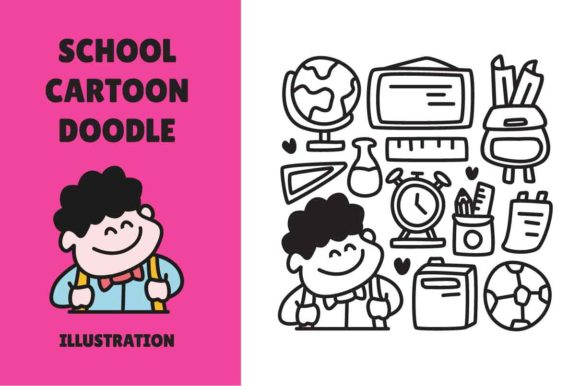
For designers, the back-to-school season isn’t just about notebooks and lunchboxes—it’s a goldmine of creative assets that blend nostalgia, playfulness, and everyday utility. Back to School Toys Art captures that transitional energy through hand-drawn doodles, repeat patterns, and lively illustrations of crayons, robots, building blocks, and pencils. These visuals offer a warm, human touch that resonates with both children and adults, making them indispensable for a wide range of professional projects—from branding to editorial layouts.
Why Back to School Toys Art Matters in Modern Graphic Design
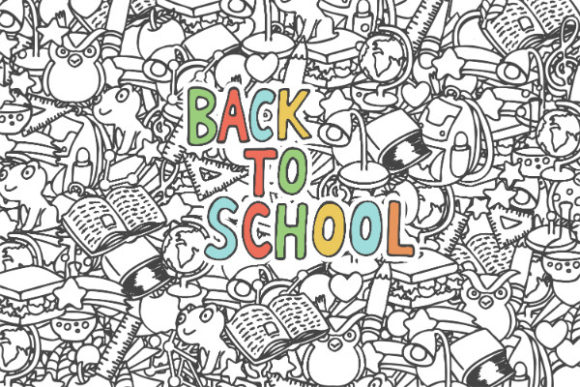
In an era of polished vector graphics and AI-generated imagery, the raw charm of hand-drawn school-themed art stands out. This style injects personality into brand identity and helps creators connect with audiences on an emotional level. Whether you’re building a playful logo for a toy company or designing social media graphics for a kids’ activities app, these illustrations bring authenticity and a sense of discovery. The repeat patterns alone—think maps, rulers, and glue bottles scattered across a vibrant color palette—can anchor a full visual design system.
Practical Applications Across Creative Projects
The versatility of back-to-school toy illustrations extends far beyond classroom fliers. Here are the most impactful uses in current design trends:
- Branding and Logo Design: A hand-drawn rocket ship or abacus becomes a memorable logo for an educational startup. The irregular lines communicate creativity and approachability, perfect for businesses targeting young learners or parents.
- Marketing and Advertising Campaigns: Use doodled backpacks and calculators in print ads or digital banners to evoke back-to-school excitement while keeping the tone light and friendly.
- Social Media Graphics: Seasonal posts featuring repeat pattern backgrounds—like stacks of colorful books—easily capture attention on Instagram or Pinterest, especially when paired with bold typography.
- Website and UI Design: Incorporate toy illustrations as vector assets for landing pages, loading animations, or icon sets. The playful style helps reduce friction in UX design for children’s e-commerce or educational platforms.
- Editorial and Packaging Design: Magazine spreads about childhood development benefit from hand-drawn scissors and crayons. On product boxes, these visuals signal fun and learning simultaneously.
- Presentations and Merchandise: Add a subtle doodle border to slides for a creative workshop. For merchandise—like stickers, tote bags, or notebooks—the same art reinforces a cohesive brand experience.
- Digital Products: Sell bundles of school-themed assets as part of your creative assets library. Illustrators can offer repeat patterns, isolated icons, and seamless textures that other designers use in their own work.
Selecting and Using Back to School Toy Art Effectively
To ensure these elements elevate your design rather than clutter it, focus on consistency and visual hierarchy. Start by defining the design goals and your target audience’s expectations. A bright, messy drawing style works well for a preschool brand but may feel overwhelming for a high school tutoring service. Evaluate the art’s scalability: hand-drawn lines should hold up when reduced to an icon or enlarged for a poster. Check readability when pairing doodles with text—avoid placing busy repeat patterns directly behind important copy.
Balancing Typography, Color, and Composition
The most polished compositions blend type and illustration seamlessly. Use a clean sans-serif font to contrast with the hand-drawn elements, or choose a chunky school-inspired typography that mimics pencil strokes. For the color palette, stick with 3–5 primary hues that echo classic school supplies (red, yellow, blue, green) and apply them consistently across all assets. In modern aesthetics, a neutral or pastel background helps the toy illustrations pop without visual noise. For print design, test the art at actual size to ensure the repeat patterns align properly and the hand-drawn texture renders crisply on paper.
How Back to School Toys Art Strengthens Brand Identity
When embedded in a brand system, these illustrations do more than decorate—they communicate values. A brand identity built around playful learning signals innovation, warmth, and accessibility. A stationery company using doodled art in its packaging design creates a recognizable shelf presence that customers associate with creativity. For digital marketing campaigns, a consistent set of back-to-school characters (like a smiling glue stick or a wise calculator) becomes a visual anchor, improving user engagement over time. The key is to treat the art as a strategic element, not an afterthought.
Tips for Integrating into Your Design Workflow
- Audit existing brand systems: Does your current visual hierarchy allow for hand-drawn accents? If your brand leans corporate, use these illustrations sparingly—perhaps as a seasonal rotation.
- Test for compatibility: Place the doodle assets into a mockup of your website or social media feed. Ensure they don’t clash with the UI design or reduce content readability.
- Create a modular library: Organize toy art by theme (e.g., science, art, games) so you can pull items quickly for different campaigns. This speeds up your design workflow and maintains consistency.
- Mix and match: Combine repeat patterns with isolated doodles to build complex layouts without overwhelming the viewer.
At its core, Back to School Toys Art reminds us that the best creative projects often come from familiar, joyful sources. When used with intentional graphic design principles—clear visual hierarchy, harmonious color, and scalable forms—these illustrations become powerful tools for strengthening brand identity and improving communication. They turn the mundane excitement of a new school year into a design language that resonates across channels, from a child’s packaging design to a social media campaign for parents. By thoughtfully selecting and applying these assets, you don’t just decorate—you tell a story that feels both nostalgic and fresh.