Empowering Kids and Girls for Back to School Through Digital Design and Personalization
The return to school each year brings a familiar mix of excitement, anticipation, and a long list of preparations. For families, the season of Kids and Girls Back to School goes beyond shopping for basic supplies—it has become a time for creative expression, organization, and building confidence. One of the most meaningful shifts in recent years is the way digital tools and design file formats have made it possible for children, parents, and educators to craft truly personalized back-to-school experiences. Whether it is a custom binder cover, a unique backpack tag, or a set of motivational desk notes, the ability to create using formats like PG, EPS, AI, PNG, and CDR has opened up a world of possibility.
This article explores how these design resources integrate into the back-to-school journey, highlighting practical uses, creative advantages, and the real-world value they bring to diverse audiences—from the hobbyist parent to the professional educator and the small business owner serving the school community.
Why Personalization Matters for Kids and Girls Returning to School
Personalized items do more than just prevent lost belongings. They give children a sense of ownership and pride as they head into a new academic year. For girls especially, the ability to express their personality through their school gear can boost self-esteem and make the transition back to the classroom smoother. When a child carries a notebook or water bottle that reflects their favorite colors, characters, or designs, they feel seen and motivated.
Digital design files in formats such as AI and EPS allow for scalable, high-quality artwork that can be adapted to any product. A parent or teacher can take a single vector illustration and resize it for a pencil case, a folder, or even a classroom poster. The PNG format, with its transparent background, is ideal for layering images onto existing templates—perfect for creating locker magnets or photo collages. Meanwhile, CDR files, native to CorelDRAW, give advanced users the flexibility to edit curves and colors with precision, ensuring each project looks exactly as envisioned. And PG, often used for print graphics, offers a reliable bridge between screen and paper.
Practical Applications Across the School Environment
The uses for these design resources extend far beyond the home craft table. Consider the following real-world scenarios where Kids and Girls Back to School projects come to life.
Custom Stationery and Organizational Tools
- Subject dividers and binder covers: Using an EPS file, a parent can print themed dividers for math, science, language arts, and art. The vector format ensures crisp lines even when printed at full page size.
- Personalized labels: A PNG of a child’s favorite animal or motif can be placed onto sticker sheets, generating water-resistant labels for lunchboxes, water bottles, and pencil cases.
- Planner pages and calendars: Teachers can edit AI files to add classroom schedules, homework trackers, and reading logs tailored to individual student needs.
Decorative and Motivational Classroom Items
- Desk name tents: With CDR files, educators can design foldable name cards that include positive affirmations or growth mindset quotes.
- Bulletin board elements: Large-scale cutouts of letters and shapes made from PG files help create welcoming classroom environments without hours of manual cutting.
- Reward charts and stickers: Print-ready PNG designs with transparent backgrounds make it easy to produce sticker sheets that reward reading minutes or completed assignments.
Fashion and Accessory Customization
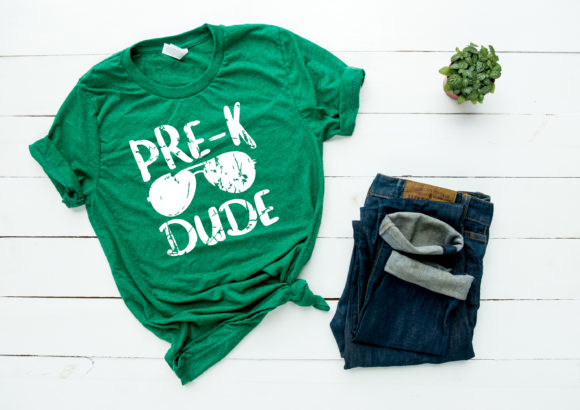
Many back-to-school wardrobes now include customized accessories. Iron-on transfers, tote bag designs, and sneaker decals can be created using AI or EPS artwork. For girls who love to stand out, a hand-decorated denim jacket with a unique CDR-derived pattern becomes a conversation starter and a source of pride. Small business owners who sell school-themed apparel often rely on these formats to offer a wide variety of designs without needing to redraw art from scratch for each customer.
Workflow Considerations for Different Users
The beauty of working with PG, EPS, AI, PNG, and CDR files is that they cater to different skill levels and software preferences. Understanding the strengths of each format helps users choose the right tool for their project.
For Hobbyists and Parents
Parents who enjoy crafting but are not professional designers often find PNG and PG files the most accessible. PNG images can be opened in nearly any program, including free tools like Canva or GIMP. They allow for easy layering onto pre-made templates. For parents who want to customize a back-to-school binder with their child’s name and favorite theme, a simple drag-and-drop workflow with PNG elements is both fast and satisfying.
For Educators and Researchers
Teachers and educational researchers value efficiency and consistency. Using EPS and AI files, they can maintain a uniform visual style across handouts, slide decks, and classroom signage. These vector formats also support accessibility—text and icons remain sharp when enlarged for visually impaired students. Researchers studying the impact of personalized learning environments can use these design tools to create consistent stimuli for studies on engagement and motivation.
For Creative Professionals and Business Owners
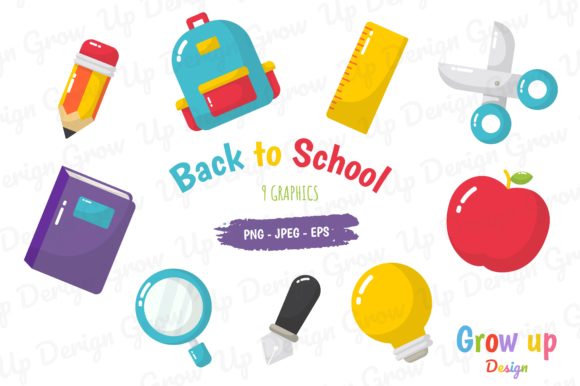
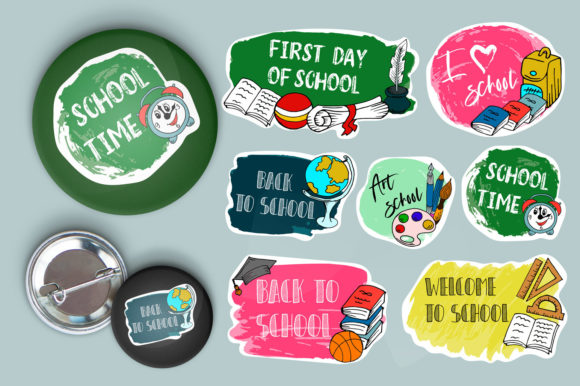
Graphic designers and small business owners working in the Kids and Girls Back to School niche rely on AI and CDR files for their versatility. These formats preserve layers, color swatches, and editable text, enabling rapid iteration. A designer might create a series of AI illustrations featuring school-themed icons—pencils, globes, backpacks—and then export them as PNG for web use or as EPS for print partners. A stationery shop owner could use CDR to modify a template for each customer’s order, changing names and color schemes in minutes rather than hours.
Advantages of Using Multiple File Formats Together
One of the most powerful strategies in any back-to-school design project is combining formats to leverage their respective strengths. Consider a typical workflow:
- Start with a vector base in AI or CDR to create a mascot or emblem. The scalable nature ensures the design works on a tiny pencil eraser or a large classroom banner.
- Export a high-resolution PNG with transparency for digital use—perhaps for a class website or an email newsletter to parents.
- Save a print-optimized EPS version for the local print shop, guaranteeing color accuracy and sharp edges.
- Use PG (print graphics) files for any project that requires crisp detail on physical media, such as a poster for a school event or a card for a teacher gift.
This multi-format approach ensures that the same creative vision translates seamlessly across different media, from smartphones to billboards, from fabric to paper.
Real-World Examples and Observations
I have observed, both as a creative professional and as someone connected to school communities, that the most successful back-to-school preparations are those that involve the children themselves. When a girl is given the chance to choose the colors and graphics for her school supplies—perhaps by selecting a PNG design from a curated set and having it printed onto a binder—she takes ownership of her learning tools. This small act of creative input can shift her mindset from passive consumer to active participant.
In one example, a group of fifth-grade girls worked with their teacher to design a classroom logo using AI. They brainstormed symbols representing their shared values—curiosity, kindness, perseverance—and then learned basic vector editing to bring their ideas to life. The final EPS file was printed onto t-shirts, folders, and a classroom banner. The pride they felt was tangible, and their engagement in class discussions improved noticeably over the following weeks.
For families with multiple children, using design files can save both time and money. A single CDR template for a chore chart or homework tracker can be customized for each child by changing the name and theme. Print on demand allows parents to produce only what they need, reducing waste and ensuring every item feels special.
Considerations When Choosing and Using Design Files
While the creative possibilities are vast, there are practical factors to keep in mind:
- Software compatibility: Not all programs open all formats. AI files require Adobe Illustrator or a compatible alternative, while CDR files are best handled in CorelDRAW. EPS and PNG enjoy wider support, making them safer choices for cross-platform workflows.
- Color profiles: For projects that will be printed, ensure the file uses CMYK color mode. RGB files (common in PNG) may appear vibrant on screen but can print duller. Converting an AI or EPS to CMYK before final export is a best practice.
- Resolution and scaling: Vector files (AI, EPS, CDR) are resolution-independent, making them ideal for both small and large outputs. Raster files like PNG lose quality when scaled up, so always start with a sufficiently high resolution if you plan to enlarge the design.
- Licensing and attribution: When using pre-made design files, check the license terms. Some EPS and AI sets are free for personal use but require a license for commercial sale. Respecting these terms ensures ethical practice and supports the creative community.
Integrating Digital Design into the Broader Back-to-School Experience
For creators and educators aiming to produce content around Kids and Girls Back to School, the inclusion of PG, EPS, AI, PNG, and CDR files can enrich the value they offer. A blog post or tutorial that provides a free PNG sticker sheet as a download increases engagement. A workshop that teaches parents how to edit CDR templates builds community and practical skills. For business owners, offering products that come with editable AI files gives customers the flexibility to personalize before purchase, reducing returns and increasing satisfaction.
The trend toward personalization is not a passing fad. As digital literacy grows among younger generations, the expectation for customized, meaningful school materials will only increase. Children today are accustomed to interacting with media in participatory ways—they want to co-create, not just consume. Providing them with the tools and files to do so respects their growing autonomy and nurtures their creativity.
At the same time, the role of adults—parents, teachers, designers—is to guide and facilitate. Knowing the difference between a vector and a raster file, understanding when to use EPS versus PNG, and being able to open a CDR file when a client requests a modification are practical skills that enhance the back-to-school experience for everyone involved. This knowledge demystifies the design process and empowers non-specialists to achieve professional-looking results.
In a typical school supply aisle, everything looks similar—primary colors, generic patterns, licensed characters that may or may not resonate with a particular child. But with a folder of carefully chosen design files and access to a printer or a print-on-demand service, the same aisle becomes a palette for individual expression. A girl who loves astronomy can have a binder covered in constellations. A boy who dreams of marine biology can carry a pencil case featuring sea creatures. These are not just material objects; they are extensions of identity and enthusiasm.
Beyond the individual level, schools and community groups can use these design resources to foster collective spirit. A school-wide art contest where students submit PNG or AI designs for a new school mascot builds engagement and pride. The winning design, professionally rendered in EPS and CDR, can be used on merchandise, stationery, and digital platforms for years to come. This process teaches children about design thinking, collaboration, and the lifecycle of a creative idea from concept to production.
As the landscape of Kids and Girls Back to School continues to evolve, the intersection of tradition and technology offers rich opportunities. The physical act of preparing for school—packing a backpack, organizing a desk, choosing an outfit—remains deeply human. But the tools we use to infuse those acts with meaning are increasingly digital. Design files like PG, EPS, AI, PNG, and CDR are not just technical specifications; they are containers for imagination.
Whether you are a parent helping a kindergartner feel brave on the first day, a teacher creating a warm and organized classroom, or a small business owner crafting products that help families celebrate this season, the thoughtful use of these formats can transform routine preparation into a cherished ritual. The next time you sit down to plan for the school year, consider opening a vector file instead of flipping through a catalog—you might be surprised by how much more personal, and how much more powerful, the result can be.