Back to School Cartoon Vector: Visual Storytelling for Modern Learning Materials
Every year, as summer winds down and the promise of a new academic season approaches, educators, designers, and business owners scramble to produce fresh, engaging materials. Whether you're preparing a classroom bulletin board, designing a promotional flyer for a tutoring center, or creating social media content for an educational brand, the visual language you choose matters immensely. Among the most effective and versatile tools in this creative arsenal is the Back to School Cartoon Vector. This style of illustration has quietly become a cornerstone of educational communication, blending nostalgia with modern design flexibility. But what exactly makes it so valuable, and how can you harness its full potential across different projects?
Let's walk through the practical realities, creative possibilities, and strategic considerations that come with using Back to School Cartoon Vector assets. Whether you are a seasoned graphic designer, a small business owner running a local learning center, or a parent helping with a school fundraiser, understanding these resources can save you time, money, and creative frustration.
What Is a Back to School Cartoon Vector and Why Does It Matter?
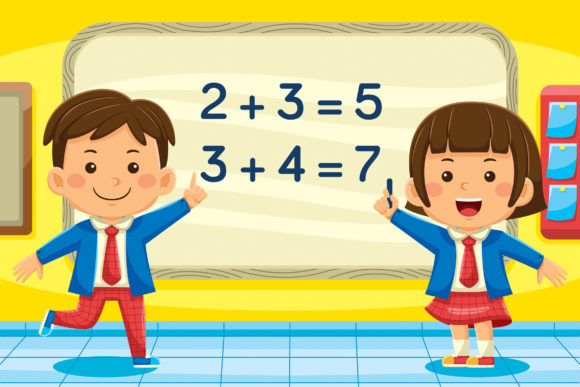
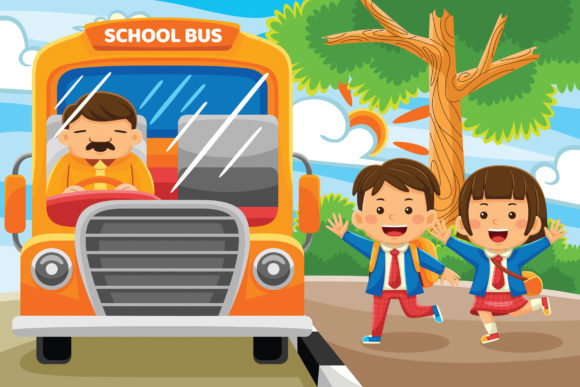
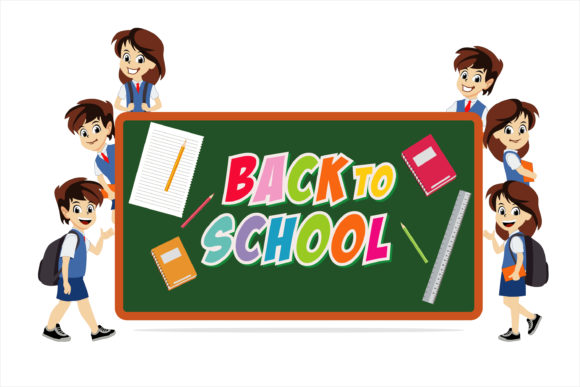
At its core, a Back to School Cartoon Vector is a digital illustration created using mathematical paths rather than pixels. This fundamental difference from raster images (like standard photographs) gives vector graphics their defining superpower: infinite scalability without loss of quality. A cartoon vector in this theme typically features iconic imagery—pencils, backpacks, apples, buses, globes, chalkboards, cheerful students, and playful school supplies—rendered in a stylized, often whimsical aesthetic.
But the true importance goes beyond technical specs. These illustrations tap into a shared cultural memory. The "back to school" moment is emotionally charged: it represents fresh starts, excitement, nervousness, and possibility. A well-crafted cartoon vector captures that feeling instantly. When you combine Back to School Cartoon Vector graphics with standard file formats like JPG, EPS, AI, PNG, and CDR, you gain the ability to deploy that emotional resonance across virtually any medium—from printed banners to responsive websites.
Core Characteristics That Define Quality Vector Art
Not all cartoon vectors are created equal. When evaluating or commissioning Back to School Cartoon Vector content, certain traits separate professional-grade assets from amateur efforts:
- Clean, closed paths: High-quality vectors have neatly closed shapes without stray anchor points. This ensures clean fills, smooth curves, and predictable behavior when files are edited or resized.
- Consistent line weight: Professional cartoon vectors maintain uniform stroke thickness, giving the illustration a cohesive, polished appearance across all elements.
- Well-organized layers: In source files like AI (Adobe Illustrator) or CDR (CorelDRAW), elements should be logically grouped and named. This makes customization—changing colors, removing items, scaling parts—straightforward even for intermediate users.
- Vibrant but intentional color palettes: The best vectors use colors that appeal to children and adults alike, balancing bright accents with enough neutral space to avoid visual chaos.
- Scalable detail: A good vector reads clearly whether it's rendered as a tiny icon on a mobile screen or blown up to poster size. Details are simplified enough to remain legible at small scales but expressive enough to engage at large sizes.
Practical Applications: Where Back to School Cartoon Vectors Shine
The versatility of Back to School Cartoon Vector assets is staggering. Based on real-world use cases from educators, marketers, and content creators, here are the most impactful applications:
Educational Publishing and Classroom Materials
Teachers and school administrators use these vectors to create worksheets, flashcards, bulletin board decorations, and classroom signage. A math worksheet featuring cheerful cartoon pencils and rulers feels less intimidating to a first grader. A library poster with a friendly cartoon book character invites reading. Because vector files scale perfectly, you can print a single illustration on an A4 handout or enlarge it to poster size without pixelation. The PNG format with a transparent background is particularly useful for inserting characters into existing documents or slides without awkward white boxes.
Marketing and Branding for Educational Businesses
Tutoring centers, after-school programs, educational apps, and bookstores rely on Back to School Cartoon Vector imagery to build approachable, family-friendly brands. A tutoring company might use a consistent character set across its website, social media graphics, printed brochures, and email newsletters. The EPS format is ideal here because it preserves vector data while being widely compatible with older design software. Business owners appreciate that they can hand off a single AI file to a print shop or web developer and trust that colors and proportions will remain consistent.
Social Media Content and Digital Campaigns
In the crowded landscape of Instagram, Facebook, Pinterest, and TikTok, visual distinction is everything. A Back to School Cartoon Vector illustration can anchor a post, announcement, or ad campaign. For example, a "countdown to school" series featuring a different cartoon school supply each day drives engagement through consistency and charm. Because vector files are lightweight and editable, you can produce variants quickly: swap a backpack's color for a specific brand palette, or add a text overlay without rebuilding the design from scratch.
Print-on-Demand Merchandise and Retail Products
Entrepreneurs and creative hobbyists have found a lucrative niche in creating merchandise featuring Back to School Cartoon Vector designs. T-shirts, tote bags, stickers, lunchboxes, notebooks, and mugs all benefit from clean, scalable artwork. The CDR format is popular among designers who use CorelDRAW, especially in regions where that software is standard. Having your vector available in multiple formats (JPG for quick previews, PNG for web use, AI and EPS for professional editing, CDR for CorelDRAW users) ensures you can serve clients regardless of their technical environment.
File Formats Explained: Choosing the Right Export for Your Project
Understanding when to use JPG, EPS, AI, PNG, and CDR is essential for getting the most out of your Back to School Cartoon Vector assets. Here is a practical breakdown based on common scenarios:
- JPG (JPEG): Best for sharing previews, uploading to websites that don't support transparency, or sending quick proofs to clients. However, JPG is a lossy raster format—compressing the file discards some data. Never use JPG as your master source. It's ideal for final output when your image has no transparent elements and file size matters more than absolute perfection.
- EPS (Encapsulated PostScript): A legacy vector format that remains widely supported across design applications. Use EPS when you need a vector file that can be opened in older versions of Adobe Illustrator, CorelDRAW, or even some word processors. It is reliable for print production and handing off to vendors who may not have the latest software.
- AI (Adobe Illustrator): The native format for Adobe Illustrator, the industry-standard vector editing tool. AI files preserve layers, effects, brushes, and text as editable objects. If you or your designer plan to customize the vector—changing colors, adding elements, adjusting poses—this is the format to use. It offers the highest degree of creative control.
- PNG (Portable Network Graphics): A raster format that supports transparency. PNG is ideal for using Back to School Cartoon Vector illustrations on the web, in presentations, or in documents where you want the image to float over a colored background. Because it is lossless, detail remains crisp. However, PNG files can be large if the vector is complex.
- CDR (CorelDRAW): The native format of CorelDRAW, popular in many design studios, sign shops, and print businesses. If your workflow involves CorelDRAW, having a CDR version of the vector ensures full editability. This format supports all of CorelDRAW's native effects and tools.
In practice, a professional designer or asset library will typically provide a Back to School Cartoon Vector in multiple formats. If you are purchasing or downloading vectors, prioritize those that offer at least AI and EPS for editing, plus PNG with transparency for immediate use. JPG is a bonus for quick previews, and CDR is valuable if that is your primary software.
Strengths, Considerations, and Practical Limitations
No tool is perfect for every job. Being realistic about what Back to School Cartoon Vector assets can and cannot do will save you frustration.
Strengths
- Infinite scalability: Print a vector at stamp size or billboard size—quality remains identical.
- Small file footprint: Vector files are generally much smaller than high-resolution raster images, making them easier to store, share, and load on websites.
- Easy editing: Change colors, resize elements, remove backgrounds, or combine multiple vectors seamlessly.
- Consistent branding: Use the same illustration across print, web, social media, and merchandise for a unified visual identity.
- Timeless appeal: Cartoon styles, especially simplified modern vector art, age better than photographic trends or highly detailed illustrations.
Considerations and Limitations
- Photorealism is not possible: Vectors are inherently stylized. If your project requires realistic human faces or complex natural textures, vector cartoon art may not suit the tone.
- Software learning curve: Editing vector files requires specialized software like Adobe Illustrator, CorelDRAW, or free alternatives like Inkscape. Casual users may need to hire a designer for modifications.
- Overused clichés: Some cartoon vector styles have become very common. If your brand aims to stand out dramatically from competitors, you may need a custom illustrated style rather than pre-made assets.
- Licensing matters: Always check the license terms of any Back to School Cartoon Vector you download or purchase. Some allow commercial use, others restrict resale, and some require attribution. Ignoring this can lead to legal headaches.
How to Evaluate Suitability for Your Specific Needs
Before committing to a Back to School Cartoon Vector set, ask yourself these questions:
- What is the primary output medium? If your main use is printed posters, prioritize AI or EPS files. If it's social media, PNG with transparency may be sufficient. If you're creating merchandise, ensure the license covers commercial reproduction.
- Who is the audience? A cartoon style that delights preschoolers may feel too childish for high school marketing. Match the illustration's sophistication to the age group and context.
- Will I need to customize the art? If yes, invest in source files (AI or CDR) with clean layers. If no, pre-rendered PNGs may save you money and complexity.
- Do the colors align with my brand? Most vector files allow easy recoloring, but confirm that the file structure permits this. Some flattened vectors do not retain editable color swatches.
- Does the style fit the emotional tone? Cartoon vectors can be playful, nostalgic, modern, or minimalist. Choose a style that reinforces the message you want to communicate.
Real-World Scenario: From Concept to Final Product
Consider a small business owner, Maria, who runs a weekend language school for children. She needs a promotional flyer, a social media post, and a banner for her booth at a community fair. She finds a Back to School Cartoon Vector pack featuring cheerful globe, book, and student characters, available in JPG, EPS, AI, PNG, and CDR formats.
Maria opens the AI file in Adobe Illustrator and quickly adjusts the color palette to match her school's branding—soft blue and orange. She removes a few elements she doesn't need and adds a speech bubble with the tagline "Learn Languages Through Play." She exports a high-resolution PNG for the web post, saves a print-ready PDF from the AI file (using the vector data for crisp output), and sends the EPS version to a local print shop that requests that format for large banners. The entire process takes her less than an hour because the vector file is well-structured. Had she used a raster image, resizing the banner would have caused pixelation, and editing the colors would have been impossible without starting from scratch.
This scenario illustrates the practical advantage of choosing vector-based assets and understanding the strengths of each file format. The Back to School Cartoon Vector became a reusable brand asset, not just a one-off image.
Final Thoughts on Making the Most of Vector Art
The Back to School Cartoon Vector is far more than a cute decoration. It is a strategic design resource that, when understood and applied correctly, saves time, maintains quality across media, and connects emotionally with audiences. By familiarizing yourself with the characteristics of quality vector art, knowing which file format serves each purpose, and honestly assessing your project's needs, you can elevate your educational or back-to-school content significantly.