Halloween Back to School Ghost: A Versatile Design Resource for Creators and Marketers
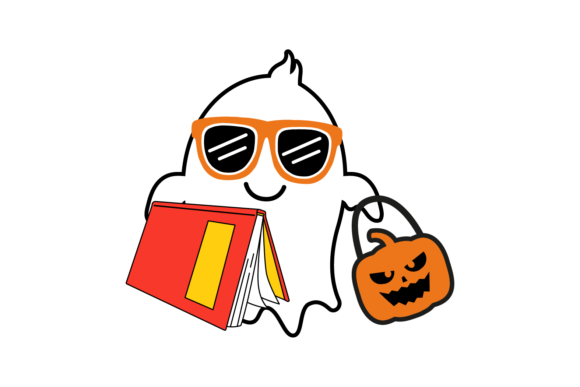
The intersection of seasonal themes often produces the most interesting creative opportunities. Halloween Back to School Ghost is one such design concept that bridges two distinct calendar moments into a single, cohesive visual asset. This design package offers a ghost-themed graphic that works for autumn classroom campaigns, October promotions, or any project where playful spooky aesthetics meet academic or community-oriented messaging. The file set includes AI, SVG, PNG, JPG, and EPS formats, each delivered at a canvas size of 1575 by 1050 pixels. That specification alone makes it a practical choice for both digital and print applications across merchandise categories including apparel, posters, stickers, tote bags, and greeting cards.
What makes this design worth discussing is not just the theme, but the way it is structured for reuse. The ghost motif, styled with back-to-school elements such as books, a chalkboard, or a tiny graduation cap in the sample variations, gives it a distinctive niche. It is neither a generic Halloween graphic nor a standard school-themed illustration. Instead, it targets a specific overlap audience: teachers, parents, school administrators, small business owners running seasonal pop-ups, and independent creators who design for teacher appreciation weeks or autumn fundraising events. For professionals who work with print-on-demand or digital marketplaces, this dual-season appeal can extend the product's selling window beyond October into late summer and early fall.
Key Characteristics and Format Strengths
The design package contains five file types, each serving a distinct production need. The AI and EPS files are vector-based and fully editable. This is a significant advantage for anyone who needs to adjust colors, resize the graphic, or combine it with other elements. The transparent PNG provides a ready-to-use version for web mockups or quick compositing. The JPG offers a flattened, high-resolution preview for client approvals or social media teasers. The SVG file is particularly useful for web developers or those using cutting machines such as Cricut or Silhouette, since it retains clean scaling without quality loss.
Canvas dimensions of 1575 by 1050 pixels are well above the minimum threshold for most print applications. At 300 DPI, that translates to roughly 5.25 by 3.5 inches, which is appropriate for shirt chest prints, sticker sheets, or small poster formats. At 150 DPI, the same file can scale to about 10.5 by 7 inches, suitable for larger posters or tote bag designs. The resolution flexibility means you are not locked into one output size. If you need to adapt the design for a full-back shirt print or a large-format banner, the vector formats provide that headroom.
From a usability standpoint, the files are organized and named clearly. The design is easy to open, edit, and export. Anyone familiar with Adobe Illustrator, CorelDRAW, Inkscape, or even free tools like Canva (for the PNG layers) can work with these assets immediately. The learning curve is minimal, which is a practical advantage for freelancers and small business owners who may not have dedicated graphic design staff.
Real-World Use Cases and Performance
In practical terms, the Halloween Back to School Ghost design fits several common production scenarios. A teacher creating classroom bulletin board decorations can print the PNG version on cardstock and cut out the ghost shapes. A Shopify store owner running a limited-time "Spooky School" collection can load the SVG into their mockup generator and produce listings for t-shirts, hoodies, and tote bags within an hour. A stationery designer preparing a seasonal card line can use the AI file to adjust the color palette to match a brand identity and then export print-ready PDFs.
One realistic example: a small print shop preparing for a local fall festival orders a batch of tote bags with this design. Because the vector file is clean and the ghost lines are well-defined, the screen-printing setup is straightforward. The registration marks align consistently across multiple colors, and the design holds detail even at smaller print sizes. The same shop can also offer matching stickers as add-on items without reworking the artwork. That kind of multi-product consistency saves time and reduces production errors.
Another scenario involves a freelance content creator who runs a blog focused on classroom resources. They purchase this design, modify the ghost's book to display a subject title, and produce printable worksheets or reward charts for teacher subscribers. The SVG format makes it easy to integrate the graphic into a Canva template. The creator can then offer the modified version as a freebie or a low-cost digital product, leveraging the original design's structure without starting from scratch.
The performance of the design in these contexts depends largely on how clean the vector paths are. Based on the file structure typically used for such packages, the outlines are smooth, the color fills are solid without stray points, and the grouped layers allow for easy editing of individual elements. The transparent PNG exports without residual background pixels, which is a common pain point with less carefully prepared files.
Quality, Usability, and Long-Term Value
The quality of a design asset can be evaluated by its editability, its output consistency across formats, and its visual appeal at various scale ranges. This package performs well on all three counts. The AI and EPS files are organized with named layers and grouped elements, which means you can isolate the ghost, the school props, or the background accents without breaking the composition. This kind of structure is not universal among SVG or vector bundles, and it makes a tangible difference when you need to customize quickly.
Color separation is also handled well. The design uses a limited but effective palette of deep purples, warm oranges, soft grays, and black. These colors are suitable for autumn and Halloween themes, but they also photograph well on light and dark garment backgrounds. For those who need to shift the scheme—say, to match a school's brand colors—the vector formats allow global color adjustments in seconds. The EPS file preserves spot color support for professional print workflows.
One possible limitation is that the design is clearly themed for a specific seasonal overlap. If you need a ghost graphic that works year-round or that tones down the school references, you would need to spend time editing out or replacing those elements. The design is not a blank slate; it carries conceptual identity. That is a strength only if your project fits that identity. For a general Halloween line without any academic context, some of the visual cues may feel out of place. Similarly, for a back-to-school campaign that avoids anything spooky, the ghost motif may not align with all school policies or parent preferences.
Long-term value is decent for a seasonal asset. You can archive the files and reuse them in subsequent years with minor adjustments. Because vector formats do not degrade, you are not limited by raster resolution constraints. The design is likely to remain relevant as long as the Halloween and back-to-school combination resonates with your audience. If trends shift toward more minimalist or retro aesthetics, the current style—which leans clean and friendly rather than hyper-realistic or gory—should age reasonably well.
Who Benefits Most and When to Use It
This design is best suited for independent creators, small print-on-demand sellers, classroom teachers, PTA volunteers, and local boutique operators who need a seasonal graphic that stands out without being overly niche. It is also a strong choice for anyone running a flash sale or a themed collection in late August through October. The design gives you a ready-made concept that you can deploy across multiple product categories with minimal additional design work.
Professionals who manage multiple seasonal product lines will appreciate the format variety. You do not need to request a separate SVG or PNG from a designer later—everything is included upfront. That reduces the back-and-forth that often slows down product launches. For marketers planning a coordinated campaign across social media, email, and physical merch, having consistent vector and raster files ensures the graphic looks identical on a phone screen and on a tote bag.
On the other hand, if your project requires a hyper-customized graphic—such as a specific school mascot or a detailed scene with multiple characters—this single-element design may feel too simple. The strength is its focus and simplicity, not its complexity. If you need a multi-layered composition or a fully illustrated scene, you may need to build upon this asset or look for a more elaborate design.
Practical Recommendations for Use
- For print-on-demand apparel: Open the SVG in your platform's designer tool. Keep the ghost centered or slightly offset for chest placement. Pair with a solid-color background or a subtle pattern on the garment itself. Test the design at 75 percent and 50 percent scale to see how it reads on smaller sizes like youth shirts.
- For stickers and labels: Use the transparent PNG directly. The 1575-pixel width provides enough resolution for a 3-inch by 2-inch sticker at 300 DPI. Add a white outline or drop shadow in your design software to help the sticker pop on colored surfaces.
- For posters and classroom displays: Open the EPS in a layout program and scale to your desired print size. Because the design is vector-based, you can enlarge it to 18 by 24 inches without pixelation. Consider adding a border or framing the design with complementary Halloween typography.
- For tote bags and reusable shopping bags: The design works well as a centered front image. Use the AI file to adjust the color saturation if you are printing on dark fabric. Lighter colors on the bag material will keep the ghost visible and the details crisp.
- For cards and paper goods: Pair the design with a short, seasonal message. The ghost's friendly expression suits greeting cards for students, colleagues, or friends. A clean sans-serif font below the graphic keeps the layout balanced.
Audience Fit and Decision Factors
If you are a blogger creating seasonal content for teacher audiences, this design gives you a visual anchor for free printable downloads or sponsored posts. If you are an online seller looking for a low-cost way to diversify your fall inventory, this package lets you test multiple product types with one design investment. For educators, the design offers a safe, non-scary Halloween option that still feels festive and playful.
Before purchasing, consider how the design's specific theme aligns with your audience's expectations. A school district with strict policies on Halloween imagery may require you to remove the ghost entirely, which would defeat the purpose. Similarly, a boutique targeting adult Halloween enthusiasts might prefer darker, more elaborate graphics. In those cases, this design would need additional customization or may not be the right fit at all.
Overall, the Halloween Back to School Ghost design package delivers practical value for anyone working at the intersection of seasonal and academic themes. The format variety, clean vector structure, and thoughtful canvas size make it a reliable tool for generating multiple product SKUs quickly. It is not a one-size-fits-all solution, but for the specific niche it serves, it performs reliably and increases creative efficiency. When used within the right context and audience, it can save hours of design time and produce consistent, professional results across a range of merchandise types.