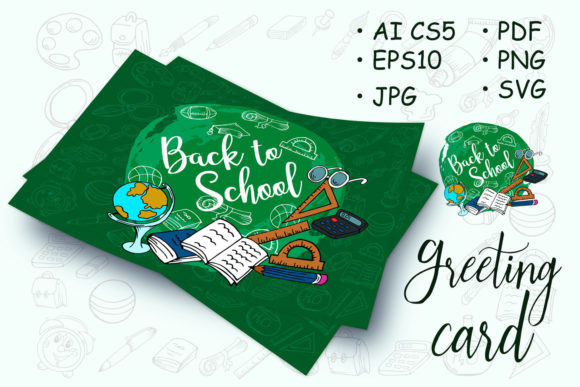
Football Back to School Design
Every fall, two powerful cultural forces converge: the return to classrooms and the start of football season. For entrepreneurs, creators, marketers, and small business owners, this intersection presents a strategic opportunity. A Football Back to School Design is not merely a graphic — it is a communication asset that bridges school-year readiness with game-day energy. When deployed thoughtfully, such a design can support branding, customer engagement, product differentiation, and even operational efficiency across multiple channels. The question is not whether to use it, but how to approach it with intention and clarity.
This article explores the strategic value of Football Back to School Design, examines when and how to use it, and offers practical guidance for integrating it into your work without falling into the trap of random, contextless execution.
What Makes a Football Back to School Design Strategically Useful
A Football Back to School Design typically combines visual motifs from football — helmets, jerseys, goalposts, plays, or team colors — with back-to-school imagery such as pencils, books, apples, or chalkboards. The fusion creates a cultural shorthand that resonates with students, parents, teachers, and sports enthusiasts alike. But beyond its aesthetic appeal, this design type carries practical utility for anyone who needs to communicate quickly and memorably.
For a creator or publisher, having a single design in multiple formats — AI, SVG, transparent PNG, JPG, and EPS — with a generous canvas size of 1920x1280 pixels means you can adapt the same asset for shirts, posters, stickers, tote bags, cards, and digital use without starting from scratch. This reduces production time, maintains brand consistency, and allows you to respond to seasonal demand with agility. For decision-makers, that means less time managing files and more time focusing on distribution and audience building.
From a branding perspective, a Football Back to School Design signals that you understand your audience’s lived experience. It says you recognize the rhythm of their year: the anticipation of a new grade, the excitement of Friday night lights, and the nostalgia of autumn. That emotional resonance is difficult to achieve with generic stock imagery or text-only messaging.
How Thoughtful Use Supports Broader Goals
The best visual assets do not exist in a vacuum. They serve a purpose within a larger system of goals, planning, and positioning. A Football Back to School Design can contribute to multiple objectives depending on how you deploy it.
Branding and Positioning
If you run a business that sells school supplies, sportswear, or custom apparel, this design helps you claim a specific niche. It positions your brand as both sporty and academic — a combination that appeals to parents who want their children to excel in both arenas. For a freelance designer or a marketing consultant, offering a Football Back to School Design as part of a seasonal package demonstrates that you stay ahead of cultural moments. It signals foresight and relevance.
Customer Experience and Engagement
When customers see a design that reflects their own interests and routines, they feel understood. A tote bag or sticker featuring a Football Back to School Design can become a conversation starter, extending your brand’s reach organically. For educators, using such a design on classroom materials or event posters can boost participation and morale among students who love sports.
Creativity and Productivity
Creatively, working within the constraints of a themed design forces you to make deliberate choices about color, composition, and typography. That discipline can translate into faster decision-making and higher-quality output. Instead of staring at a blank canvas, you have a clear direction. For teams, having a ready-to-use design in multiple formats reduces back-and-forth file requests and version control issues, freeing up time for more strategic work.
When to Use a Football Back to School Design — and When to Pause
Timing matters. The natural window for this design runs from late July through September, aligning with school preparation and the start of football season. However, you can extend its relevance by using it for early-bird promotions, end-of-summer sales, or even year-end classroom celebrations if you adapt the message.
Consider using a Football Back to School Design when:
- You are launching a seasonal product line for parents, students, or teachers.
- You want to create a cohesive visual identity for a back-to-school event, fundraiser, or campaign.
- You need a versatile asset that can appear on physical merchandise and digital platforms without redesign.
- You are building a content calendar and need a strong anchor piece for September communications.
- You operate in a market where sports culture and education intersect — such as school supply shops, team apparel stores, or educational toy brands.
On the other hand, avoid using it if:
- Your brand voice is strictly formal or corporate, and the design would feel out of place.
- You have not defined a clear purpose for the asset — “it looks cool” is not a strategy.
- Your audience has no connection to football or school culture, which could lead to confusion or disengagement.
How to Approach It: Practical Planning and Decision-Making
Intentional use begins with a few strategic questions. Before you open the design files, ask yourself: What outcome do I want? Who is my primary audience? Where will this design appear, and how will it be consumed?
Once you have clarity, consider these planning tips:
- Map the asset to your funnel. Use the design on a poster to build awareness, on a sticker or card to encourage sharing, on a tote bag to create a walking advertisement, and on a shirt to deepen loyalty among your core supporters.
- Adapt without overcomplicating. Because you have AI, SVG, PNG, JPG, and EPS formats, you can easily adjust the design for different backgrounds or materials. Keep the core visual consistent, but tweak the color contrast or text placement depending on whether it goes on fabric, paper, or a screen.
- Think about the canvas. With a size of 1920x1280 pixels, you have a landscape-oriented asset that works well for social media headers, website banners, and standard print sizes. Plan your composition so that the most important elements remain visible across all uses.
- Pair it with a clear call to action. A design without context is decoration. Whether you are selling shirts or promoting a school event, make sure the viewer knows what to do next — buy, share, attend, or participate.
Strategic Observations from Real Use Cases
Consider a small business that sells custom school uniforms. By offering a limited-edition shirt using a Football Back to School Design, they created a sense of urgency and exclusivity. Parents appreciated the design because it resonated with their children’s interests, and the business saw a 30% increase in early orders compared to the previous year. The key was not the design alone, but the intentional framing: the design was tied to a specific time window, a clear audience, and a measurable goal.
Another example comes from a freelance graphic designer who used the same design across a client’s poster, sticker, and social media banner. By reusing one asset in multiple formats, the designer delivered faster turnaround and lower costs — a competitive advantage that led to repeat contracts. Here, the strategic value was operational efficiency, not just aesthetics.
Risks of Using It Without Clear Goals
It is tempting to treat a Football Back to School Design as a quick solution for seasonal content. But without a clear context, the asset can become noise. If you slap the design on a product without considering whether it aligns with your audience’s expectations, you risk diluting your brand or confusing your message. For example, a retailer that primarily sells office furniture to corporate clients would likely see little return from back-to-school sports imagery. The design would feel random and disconnected from the core value proposition.
Another risk is overexposure. Using the same design everywhere without variation can make your brand feel repetitive rather than cohesive. While consistency is valuable, monotony is not. If you use the design on shirts, posters, stickers, tote bags, and cards simultaneously, consider varying the layout or accompanying text to keep each application fresh while maintaining visual alignment.
Finally, relying on a single design to carry an entire campaign can backfire if the campaign lacks substance. The design should support the message, not replace it. Make sure your copy, offers, and overall strategy are as strong as the visual asset itself.
Using Football Back to School Design Intentionally
To move from random usage to intentional strategy, treat the design as one component of a larger plan. Here is a straightforward approach:
- Define the outcome. Are you trying to drive sales, increase event attendance, build an email list, or strengthen brand recall? The answer determines where and how you use the design.
- Identify the audience segment. Parents? Students? Teachers? Sports fans? Each group will respond to different nuances in the design and messaging.
- Choose the formats that matter. A tote bag might be ideal for a giveaway, while a poster works for a school lobby. You do not need to use every format just because you have them. Use the ones that align with your touchpoints.
- Test and measure. If you run a small campaign, track which format generates the most engagement. A sticker campaign may outperform a shirt campaign depending on your distribution channels. Let data guide future decisions.
- Refresh annually. A Football Back to School Design can become an annual tradition if you update colors, typography, or secondary elements each year. This builds anticipation and loyalty among your audience.
Long-Term Value and Sustainable Use
The true value of a Football Back to School Design is not in a single season but in its potential for reuse and adaptation. Because the design comes in scalable vector formats (AI, EPS, SVG) and raster formats (PNG, JPG), you can revisit it year after year with minor updates. This reduces creative fatigue and allows you to build a library of seasonal assets that work together over time.
For publishers and content creators, having a consistent visual theme across multiple years strengthens brand recognition. A parent who bought a shirt with your design in 2024 will look forward to seeing the 2025 version — if you maintain the visual lineage while introducing enough novelty to feel fresh. That kind of loyalty is not built by chasing trends, but by showing up reliably with quality work that respects the audience’s world.
For educators, using a Football Back to School Design on classroom materials, event flyers, or communication with families can create a sense of community. It signals that the classroom environment values both learning and school spirit. When used thoughtfully, such a design becomes a tool for connection, not just decoration.
Ultimately, Football Back to School Design is what you make of it. Treated as a random graphic, it will give random results. Treated as a strategic asset — planned, adapted, and measured — it can support your goals across branding, communication, operations, and customer experience. The formats are already in your hands. The strategy is up to you.