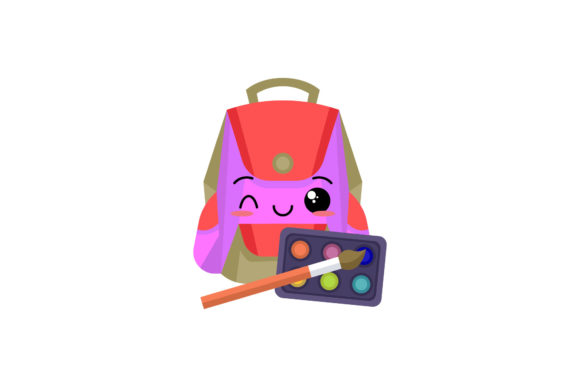
Backpack Back to School Design
A well-considered Backpack Back to School Design is more than a seasonal graphic. It is a visual asset that can serve multiple strategic purposes for entrepreneurs, educators, marketers, and creators who work with branded merchandise, promotional materials, or seasonal campaigns. Understanding what this design offers, when to deploy it, and how to align it with broader goals can transform a simple creative asset into a tool for communication, brand positioning, and even operational efficiency.
What Backpack Back to School Design Actually Represents
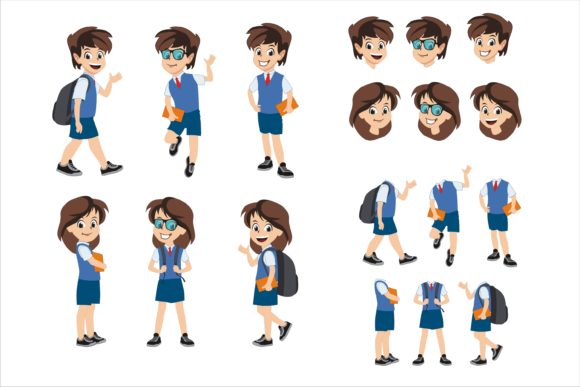
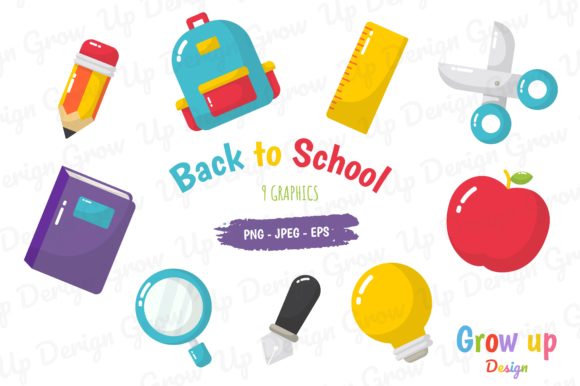
At its core, the Backpack Back to School Design is a graphic composition centered on the motif of a backpack combined with back-to-school themes. It typically includes visual cues such as books, pencils, apples, chalkboards, or stationery items, arranged around or integrated with a backpack silhouette. The design is delivered in multiple formats—AI, SVG, transparent PNG, JPG, and EPS—with a canvas size of 1920x1280 pixels. This versatility means it can be printed on shirts, tote bags, posters, stickers, cards, and other merchandise without loss of quality or scaling issues.
Strategically, the design functions as a visual shorthand for a specific moment in the calendar year: the transition from summer into the academic season. It evokes feelings of preparation, new beginnings, organization, and youthful energy. For a business or creator, using this design is not merely about decoration. It is about signaling relevance to an audience that is actively planning for school-related purchases, events, or communications.
Why Thoughtful Use of This Design Supports Your Goals
When you treat a Backpack Back to School Design as part of a larger strategy rather than a one-off graphic, several benefits emerge. First, it can improve brand positioning by associating your business with a positive, widely recognized seasonal event. Parents, teachers, students, and administrators all have back-to-school on their minds during late summer and early fall. By offering products or communications that feature this design, you insert your brand into that mental space at exactly the right time.
Second, the design can enhance customer experience. A thoughtfully placed graphic on a tote bag or T-shirt can serve as a conversation starter, a memory trigger, or a small gesture of understanding. When recipients feel that a design reflects their current life stage or challenges—such as preparing kids for school—they perceive the brand as empathetic and relevant.
Third, from a productivity perspective, having the design in multiple ready-to-use formats saves time. You do not need to re-create or reformat artwork for different print providers, digital platforms, or physical products. The AI and EPS files allow for professional editing, while the PNG and JPG versions work for quick uploads to print-on-demand services, social media, or email campaigns.
How to Approach the Design Strategically
Before you use the Backpack Back to School Design, consider what outcome you want it to produce. Random deployment—such as slapping the graphic on a product without understanding your audience or timing—can dilute its impact. Instead, ask yourself a few planning questions.
Who is your primary audience? If you sell to teachers, the design might emphasize classroom supplies and organizational themes. If you sell to parents, the design could focus on the excitement and readiness of a child heading to school. If your audience is college students, the design might incorporate dorm essentials or campus landmarks. The backpack motif can be adapted, but the surrounding elements should speak to your specific buyer.
Where will the design appear? A T-shirt for a school supply drive requires different treatment than a sticker for a student planner. Posters need high contrast and legibility at a distance, while cards can carry more detail. Because the design comes in 1920x1280 pixel format, you have room for both detail and readability, but scaling and composition choices still matter.
When will you release it? The back-to-school window starts as early as mid-July for some retailers and extends through September. If you launch too early, your audience may not be in a buying mindset. If you launch too late, you miss the peak. Align your schedule with real-world school calendars in your region or target market.
Practical Examples of Intentionally Deploying the Design
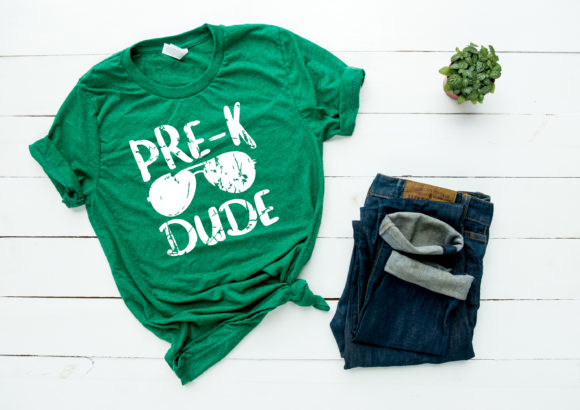
Consider a small business owner who runs a print-on-demand store selling teacher appreciation gear. They purchase a Backpack Back to School Design and use the SVG file to create a line of T-shirts, mugs, and tote bags. Instead of offering generic designs, they pair the backpack motif with phrases like “Ready for the New Year” or “Teacher Mode On.” They launch the collection in early August, target Facebook ads to educators, and see a steady uptick in sales.
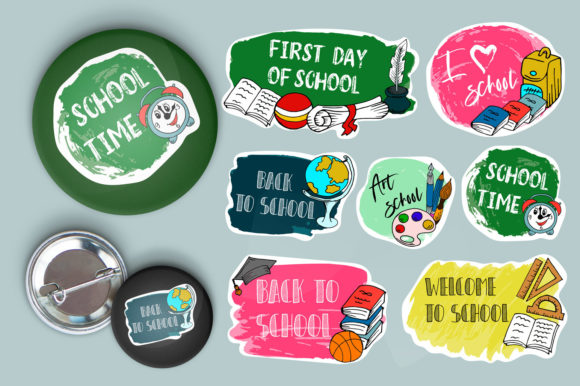
Now consider a school or PTA organization that needs promotional materials for an open house event. They take the EPS file and adjust colors to match their school identity. The design appears on flyers, stickers given to students, and posters displayed in hallways. The consistent visual theme creates a cohesive experience for families and reinforces the school’s branding.
A third example is a freelance blogger or content creator who writes about parenting and education. They use the transparent PNG version of the design in a blog post titled “10 Ways to Make Back-to-School Morning Smoother.” The design acts as a featured image and as a small graphic between sections. It ties the post together visually and makes it more shareable on social media.
What to Consider Before Relying on This Design
No single design solves every problem. The Backpack Back to School Design carries strong seasonal associations. If you use it outside the back-to-school window without a clear contextual reason, it may confuse your audience or feel out of place. For example, using it in a winter holiday campaign would likely lower its effectiveness. Timing matters.
Another consideration is audience fatigue. If every brand in your niche uses similar backpack imagery, the design may blend into the noise. Differentiation may require customizing the design—adjusting colors, adding your logo, or pairing it with unique copy. The files you receive are editable in Adobe Illustrator or compatible software, which gives you that flexibility.
Also consider the product medium. A design intended for a smooth T-shirt print may not render well on a rough tote bag or a textured cardstock. Test the design on your chosen substrate before mass production. The 1920x1280 pixel canvas size is generous, but resolution can still be affected by poor scaling or low-quality printing.
Possible Risks of Using the Design Without Clear Goals
One of the most common mistakes is treating the design as an afterthought. Without a clear purpose, you risk producing merchandise that does not sell because it lacks a target audience. You also risk sending mixed signals about your brand. A backpack design implies energy, preparation, and youth. If your brand voice is serious and corporate, the graphic may clash with your messaging.
There is also a risk of overexposure. If you use the same design across every product without variation, customers may perceive your offerings as repetitive. Instead, consider using the design as a base and creating variations—different color palettes, layout orientations, or text overlays—for different products or customer segments.
Finally, ignoring the file formats can lead to lost time. While the design comes in AI, SVG, PNG, JPG, and EPS, each format serves a distinct purpose. Using a JPG where a transparent PNG is needed, or using a low-resolution version printed large, can result in poor quality. Take a few minutes to understand which file goes where before production begins.
Decision-Making Guidance for Different Users
If you are an entrepreneur or small business owner, use the design to create a limited-edition seasonal product line. Set a specific release date and marketing plan around it. Track sales to see if the design resonates with your audience. If it performs well, you can commission custom variations next year.
If you are a marketer or brand manager, use the design in cross-channel campaigns. Feature it on social media, in email newsletters, on your website, and in physical mailers. Consistency across channels reinforces recall. The transparent PNG is especially useful for overlaying on photos or backgrounds.
If you are an educator or school administrator, the design can serve as a unifying visual element for back-to-school communications. Use it on welcome letters, hallway posters, event tickets, and staff T-shirts. It helps create a sense of community and readiness.
If you are a freelancer or hobbyist, use the design to test print-on-demand platforms without needing advanced design skills. Upload the JPG or PNG to services like Printful, Redbubble, or Teespring, and see how different products perform. It is a low-risk way to learn what sells in your niche.
Long-Term Value of Intentional Use
When used deliberately, a Backpack Back to School Design can become a recurring asset in your creative library. You can archive the files and reuse them in subsequent years, adjusting only the timing and context. The versatility of the formats means the design can live on multiple product types, extending its lifespan beyond a single season.
More importantly, the design can help build a pattern of strategic thinking. Each time you evaluate whether and how to use a seasonal asset, you sharpen your ability to connect creative decisions to business outcomes. Over time, this habit improves your product planning, customer understanding, and operational efficiency.
The Backpack Back to School Design is not a magic solution. It is a tool. Its value comes from how thoughtfully you integrate it into your goals, timing, audience understanding, and production process. Use it with intention, and it can serve your objectives well beyond the first day of school.